The Zeigarnik Effect
You can’t walk past an unfinished puzzle without wanting to place the last piece.
That’s not just a personality quirk. In 1927, psychologist Bluma Zeigarnik noticed something odd about a waiter at a Berlin café: the waiter remembered every detail of an order, then forgot it completely the moment the bill was paid. Bluma found that an unfinished task creates a kind of mental tension, one that only releases once the task is closed out. (Psychology Today).
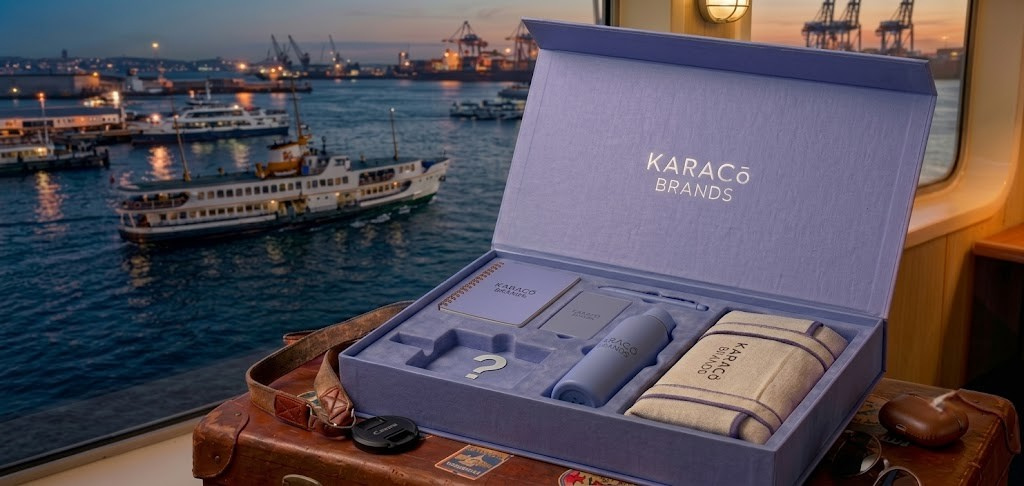
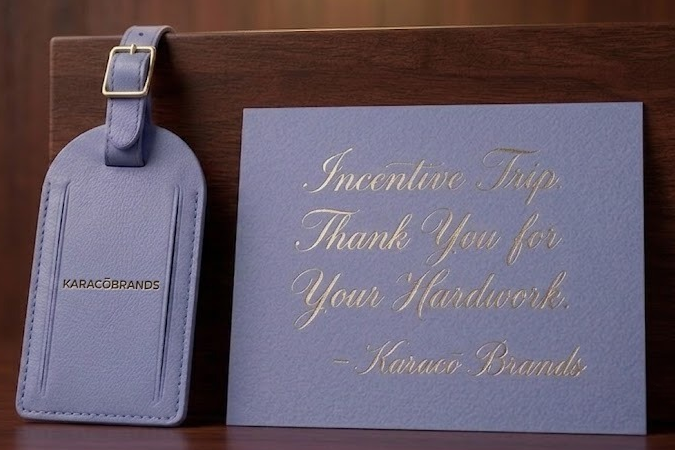
Here’s the Zeigarnik effect in action: imagine your top salesperson receiving a curated treasure box filled with clues about the incentive they’ve just achieved for an outstanding year. Inside, they find a custom tote, journal, pen, charger, and one mysterious blank space where something is obviously missing. You left it out on purpose to draw out the intrigue.
Consumers who receive a product in signature packaging have more positive emotions about the brand than those who received the same product in plain packaging. That emotional response does not stop at the unboxing. When the experience of the packaging feels enjoyable or meaningful, it reinforces recall. This is where brand equity begins to grow and turn into long-term loyalty.
(What is Packaging Psychology and How Design Influences Consumer Choices? Million Pack)
That’s the Zeigarnik effect in action.
Let’s brainstorm a strategy to put the Zeigarnik effect to work for you.
-Kara